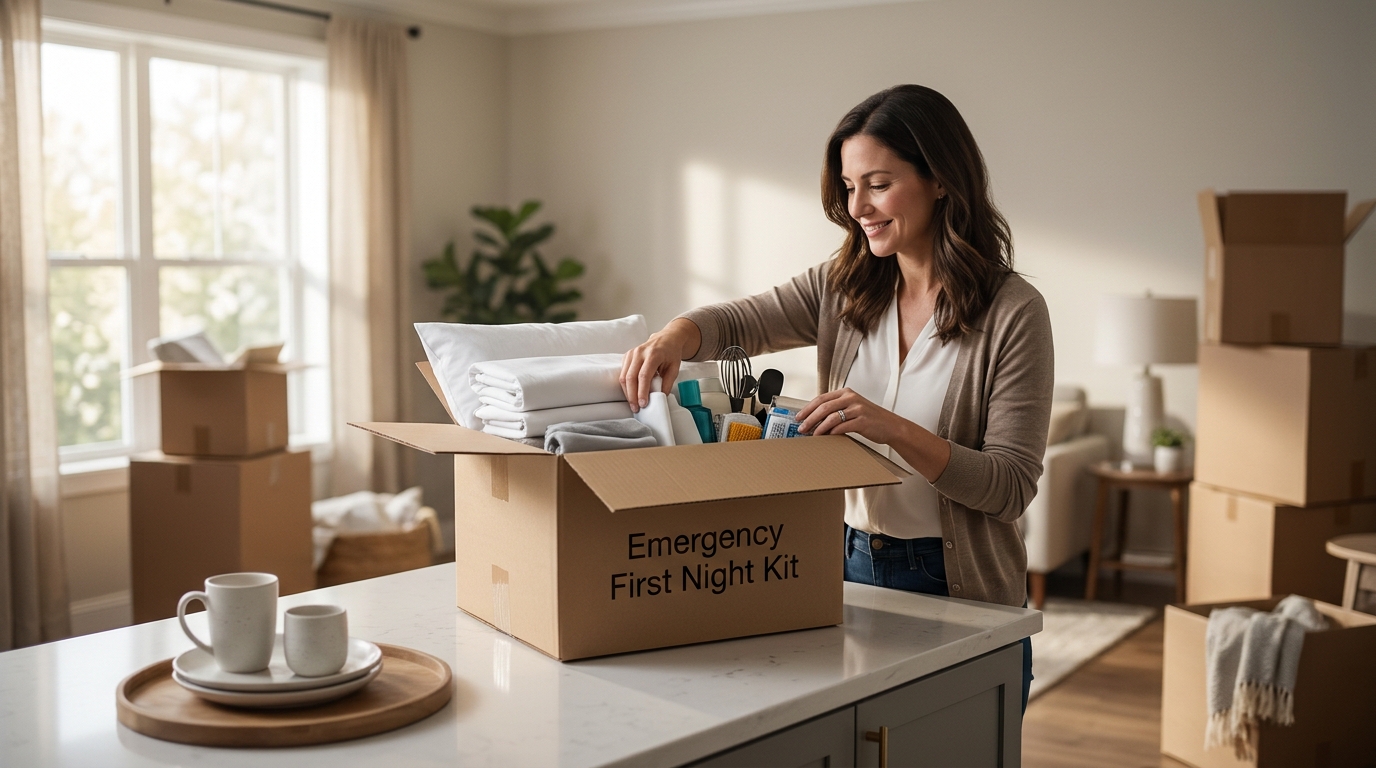
The 24-Hour Emergency Kit Strategy
The most effective way to start unpacking is to prioritize a dedicated emergency kit. This box should contain items needed for the first night, such as bedding, toiletries, medications, and basic cooking supplies. Families often overlook this step, leading to a stressful first evening. By keeping these essentials separate from the main moving load, you ensure immediate comfort. This approach is a core component of organized moving services, where logistics are planned in advance to reduce friction. For additional details, review the gggorganizing com.
Establishing the Bedroom and Bathroom
After the emergency kit, the bedroom and bathroom are the next logical spaces to tackle. These rooms provide a private retreat where family members can decompress. Unpacking the bedroom involves setting up beds, hanging clothes, and organizing nightstands. The bathroom requires restocking towels, toiletries, and cleaning supplies. Prioritizing these spaces creates a functional sanctuary. It allows family members to reset before addressing the more complex tasks of unpacking the rest of the house. This phased approach reduces the feeling of being overwhelmed by the sheer volume of boxes. For additional details, review the gggorganizing com.
Restoring Kitchen Functionality
Setting Up Children and Pets
For families with children or pets, their specific needs must be addressed early. Children require their beds, favorite toys, and school supplies to feel secure. Pets need their food, water bowls, and safe sleeping areas. Establishing these spaces helps reduce anxiety for both children and animals. It creates a sense of normalcy in a new environment. By prioritizing these vulnerable family members, you ensure their well-being is protected during the transition. This step is often overlooked in favor of adult-centric tasks, but it is crucial for a smooth household adjustment. For additional details, review the gggorganizing com.
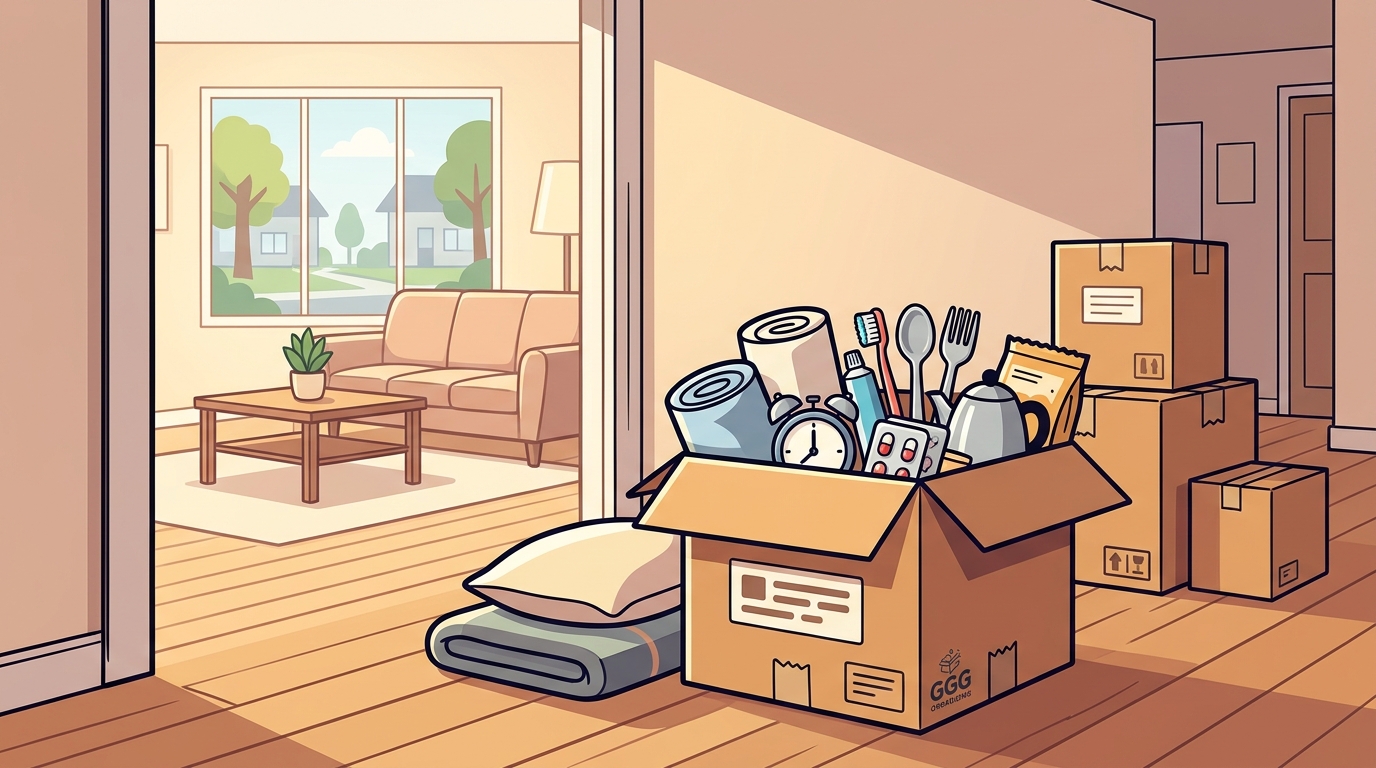
Managing the Remaining Boxes
Once the essential spaces are functional, you can begin unpacking the remaining boxes. It is helpful to sort boxes by room and priority level. Start with high-traffic areas like the living room and dining room. You can leave decorative items and rarely used objects for later. This allows you to make progress without feeling like you must finish everything at once. Consider using a system to track which boxes are opened and which are still sealed. This prevents confusion and ensures that no important items are lost in the clutter. A structured approach to the remaining boxes keeps the momentum going. For additional details, review the gggorganizing com.
Key Takeaways
- Unpack a dedicated emergency kit first to ensure immediate comfort and safety. For additional details, review the gggorganizing com.
- Prioritize the bedroom and bathroom to create a private retreat for decompression.
- Set up basic kitchen functionality for cooking and cleaning without full organization.
- Address the specific needs of children and pets early to reduce their anxiety.
- Sort remaining boxes by room and priority to manage the workload effectively.
- Use a tracking system for opened and sealed boxes to avoid confusion.
- Focus on functionality over aesthetics in the initial stages of unpacking.
Frequently Asked Questions
How many days should it take to unpack a house?
It typically takes one to two weeks to fully unpack a house, depending on the size of the home and the number of family members. The first 24 hours should focus on essentials, with the remaining time dedicated to gradual organization.
What is among the best way to pack boxes for easy unpacking?
Label boxes clearly by room and content. Keep essential items in separate, easily accessible boxes. Use a color-coding system or a digital inventory to track what is in each box.
Should I unpack everything on the first day?
No, it is not necessary or practical to unpack everything on the first day. Focus on essential spaces first, and gradually unpack the rest over the following days and weeks.
How can I reduce stress when moving into a new home?
Reduce stress by planning ahead, prioritizing essential tasks, and taking breaks. Involve family members in the process and maintain a positive attitude. Professional organizing services can also help manage the logistics.
What should I do with boxes I cannot unpack immediately?
Store boxes in a designated area, such as a garage or spare room. Label them clearly and keep a list of their contents. This prevents clutter and ensures you can find items when needed.
Is it better to unpack by room or by priority?
Unpacking by priority is generally more effective for the first few days. Focus on essential spaces first, then move to other rooms. This ensures that daily needs are met before addressing less critical areas.
How can I involve children in the unpacking process?
Give children specific tasks, such as unpacking their toys or choosing where to hang their art. This gives them a sense of ownership and involvement in the new home. Keep tasks age-appropriate and manageable. Learn more: gggorganizing com.