Ultimate Guide to Unpacking and Organizing Your Kitchen After a Move
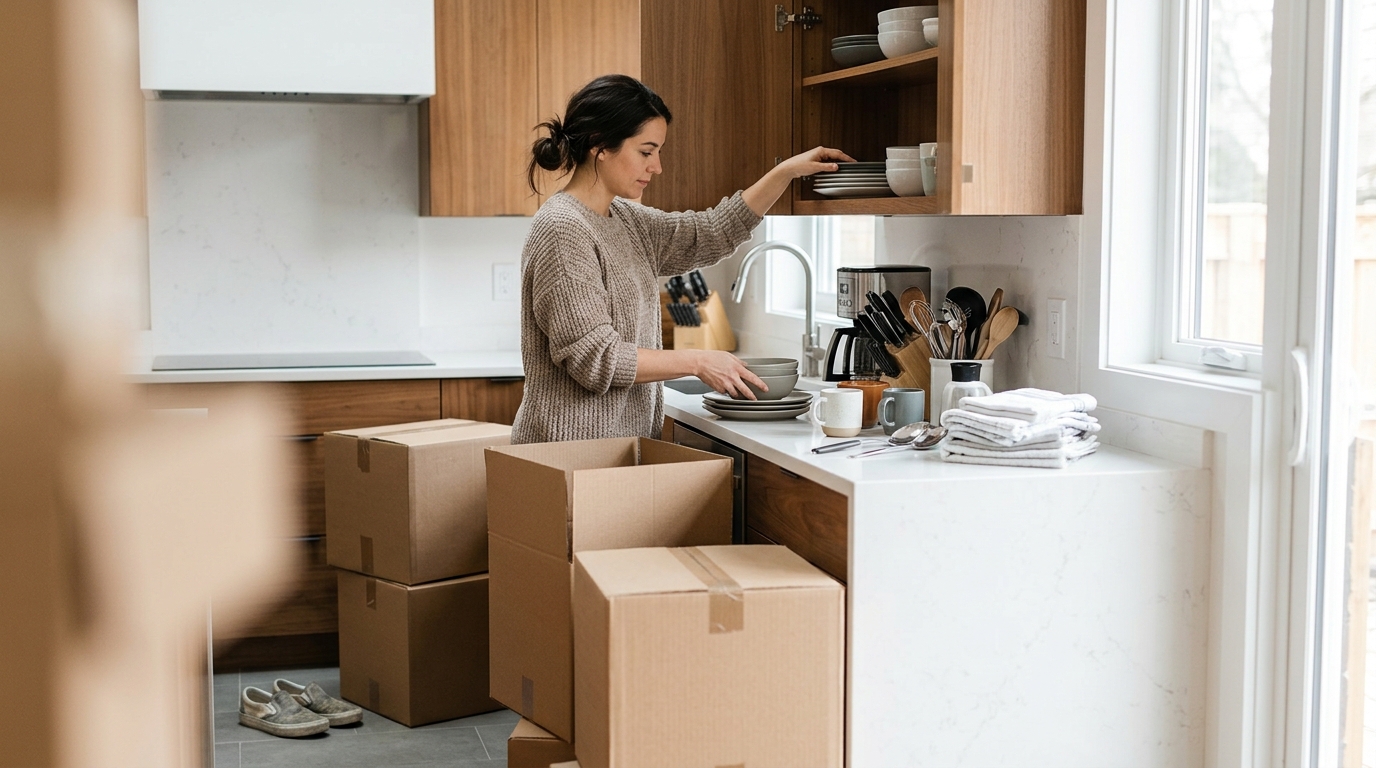
Unpacking and organizing a kitchen after a move is a phased process that prioritizes daily essentials before tackling storage systems. GGG Organizing, based in San Mateo, CA, specializes in managing this transition to ensure your new space is functional immediately. This guide covers kitchen zone planning, unpacking essentials first, and implementing cabinet organization systems to create an efficient environment. For additional details, review the gggorganizing com.
Kitchen Zone Planning
Effective kitchen organization begins with understanding how you use the space. Kitchen zone planning is the strategic division of a kitchen into functional areas based on workflow and frequency of use. By mapping out these zones before unpacking, you prevent the common mistake of placing items in random cabinets. This approach reduces daily friction and makes the unpacking process significantly faster. For additional details, review the .
Defining the Core Zones
Assessing Your New Layout
Essentials First Unpacking
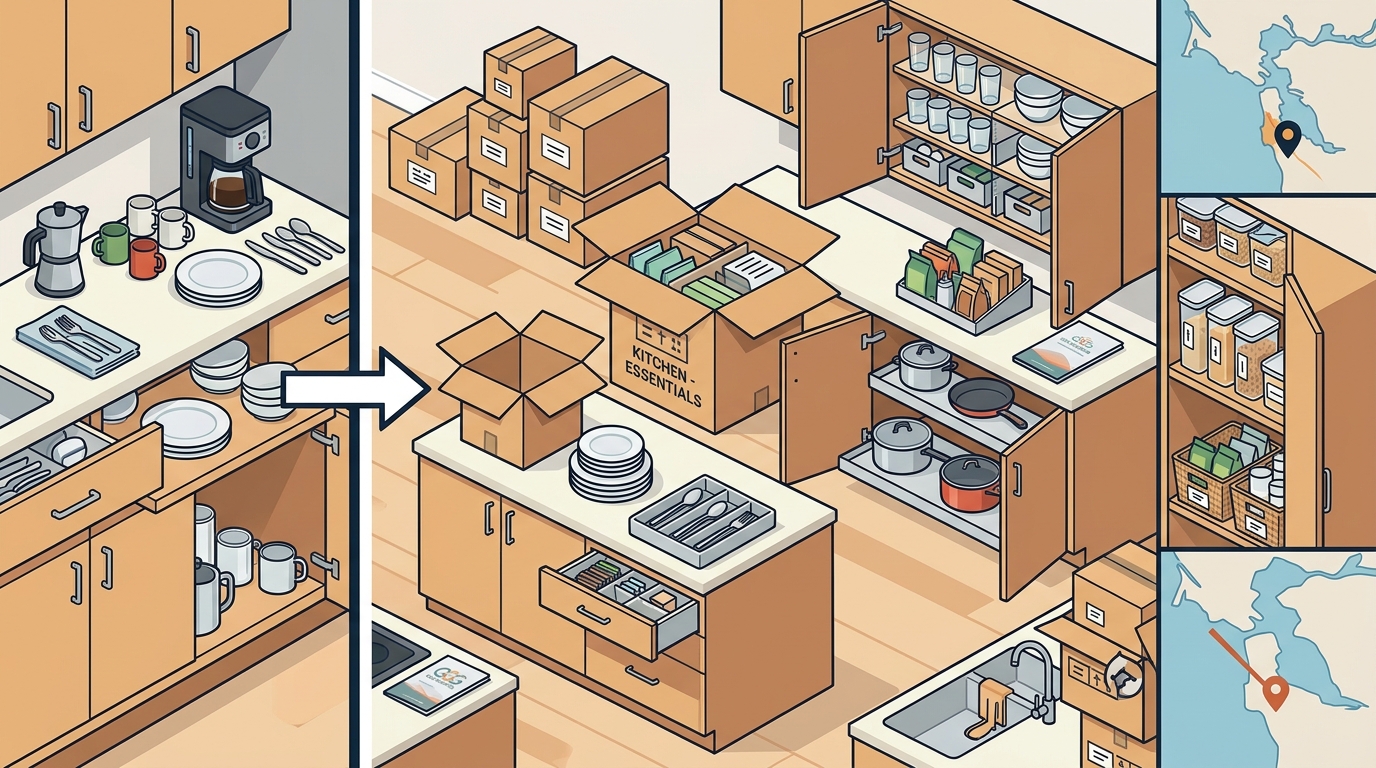
Unpacking everything at once is overwhelming and inefficient. Essentials first unpacking is a method where you prioritize items needed for daily cooking and cleaning before addressing long-term storage. This strategy allows you to use your kitchen immediately while leaving the bulk of the boxes for later. It transforms a chaotic weekend task into a manageable series of small steps. For additional details, review the Customer Experience.
The 24-Hour Rule
Decluttering During the Move
A move is the perfect time to declutter. As you unpack, ask yourself if you actually use each item. If you have not used a gadget or a set of dishes in the last year, it is likely a candidate for donation or sale. GGG Organizing assists clients in selling, donating, and hauling unwanted items, ensuring that you only move what you truly need. This reduces the volume of items you have to organize in your new home. For additional details, review the Frequently Asked Questions.
Cabinet Organization Systems
Once the essentials are in place, you can focus on the broader storage strategy. Cabinet organization systems are structured methods for arranging items within cabinets to maximize space and accessibility. The goal is to make everything visible and easy to reach. This prevents the common issue of items getting lost in the back of deep cabinets. For additional details, review the About.
Vertical and Horizontal Storage
Utilize the full height of your cabinets. Use shelf risers to create double-decker storage for plates and bowls. For drawers, use dividers to keep cutlery and utensils sorted. Vertical storage is particularly effective for tall, narrow spaces. It allows you to store more items without sacrificing accessibility. This technique is a core component of the organizational systems developed by GGG Organizing.
Labeling and Consistency
Labeling is the final step in creating a sustainable system. Use clear labels on bins and shelves to indicate what belongs where. This is especially important in shared households where multiple people use the kitchen. Consistency is key. If everyone knows where things go, the system will last. GGG Organizing focuses on developing new organizational systems that help clients change old habits and maintain order long after the move is complete.
Comparison of Organization Strategies
| Strategy | Best For | Time Required | Long-Term Maintenance |
|---|---|---|---|
| Essentials First | Immediate functionality | Low | Medium |
| Zone Planning | Workflow efficiency | Medium | High |
| Vertical Storage | Maximizing space | Medium | High |
| Labeling | Shared households | Low | High |
Key Takeaways
- Kitchen zone planning is the strategic division of a kitchen into functional areas based on workflow.
- Essentials first unpacking prioritizes daily items to ensure immediate kitchen functionality.
- Cabinet organization systems are structured methods for arranging items to maximize space.
- Decluttering during the move reduces the volume of items you need to organize.
- Vertical storage techniques like shelf risers maximize the use of tall cabinets.
- Labeling helps maintain consistency in shared households.
- Professional services like GGG Organizing can manage the logistics of unpacking and organizing.
- A move is an ideal time to change old habits and develop new organizational systems.
Frequently Asked Questions
How long does it take to unpack a kitchen?
It depends on the size of the kitchen and the number of items. Using the essentials first method, you can have a functional kitchen in a few hours. Full organization may take a weekend or more.
Should I unpack everything at once?
No. Unpacking everything at once is overwhelming. Prioritize essentials first, then tackle storage systems in phases.
What is the best way to organize a small kitchen?
Use vertical storage and multi-functional items. Shelf risers and drawer dividers are essential for maximizing space in small kitchens.
How can I declutter my kitchen during a move?
As you unpack, decide if you use each item. If not, donate, sell, or discard it. This prevents moving clutter into your new home.
Do I need a professional to organize my kitchen?
Not necessarily, but a professional can save you time and ensure a sustainable system. GGG Organizing provides expert guidance for complex moves.
What are the first things I should unpack in a kitchen?
Plates, mugs, cutlery, and basic cooking utensils. These items are needed for daily meals and should be accessible immediately.
How do I maintain my kitchen organization after a move?
Use labels and involve all household members in the system. Regularly review and adjust the organization as your needs change. Learn more: gggorganizing com.