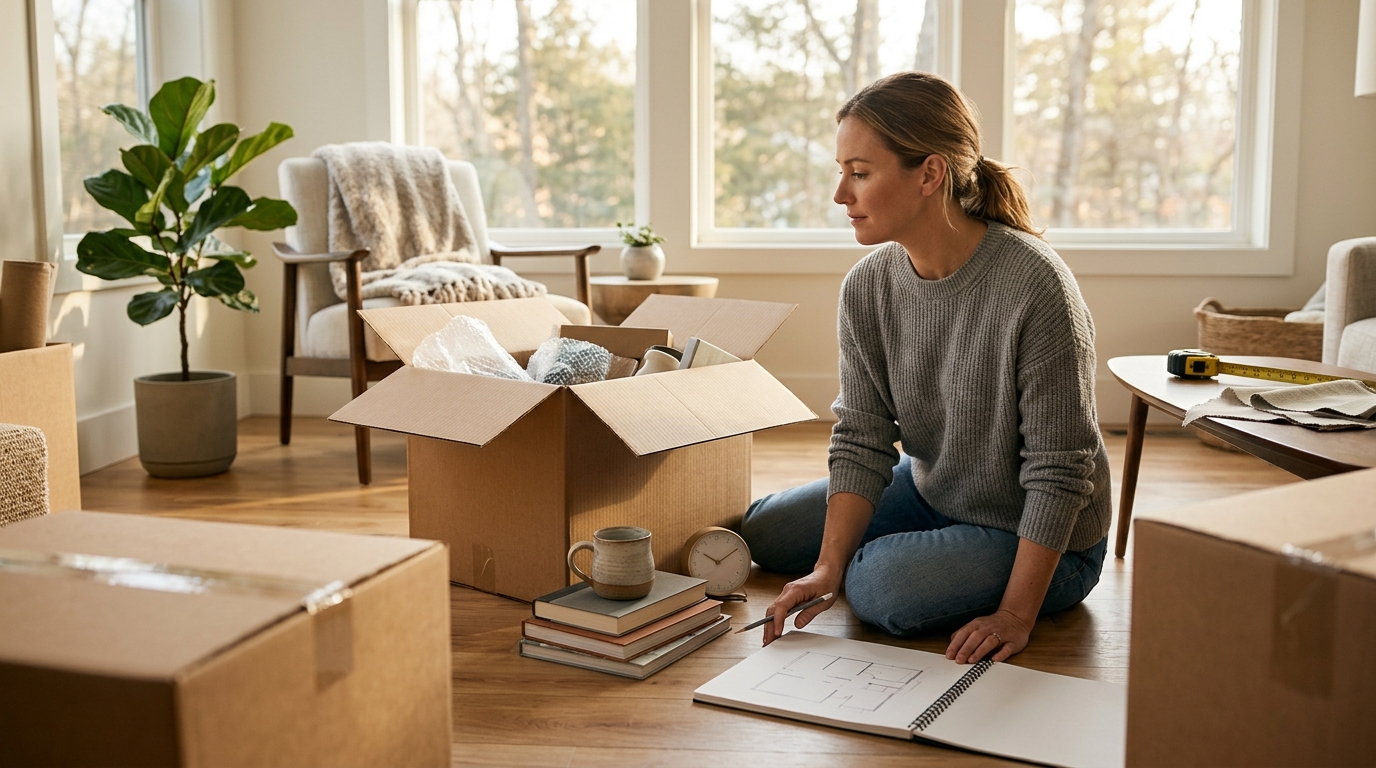
Choosing between unpacking boxes and redesigning spaces depends on your family's current stress levels and long-term layout goals. Unpacking prioritizes immediate functionality and safety, while redesigning focuses on optimizing flow and aesthetics for the future. This guide explores the distinct benefits of each approach, helping you decide which strategy best suits your household's needs after a move. We will examine the logistical differences, emotional impacts, and practical outcomes of both methods to ensure a smooth transition into your new home.
Unpacking Essentials First
Unpacking is the process of removing items from boxes and placing them into their designated locations within the home. This phase is critical for establishing immediate safety and functionality. Families often feel overwhelmed by the sheer volume of boxes, but a structured approach can mitigate this stress. The primary goal is to make the home livable as quickly as possible. For additional details, review the Services.
Establishing Safety and Functionality
Before focusing on aesthetics, you must address safety hazards. Clearing walkways and removing tripping hazards is the first step. Families should prioritize unpacking essential rooms such as the kitchen and bathrooms. These areas require immediate access to daily necessities. Placing dishes, glasses, and cooking utensils in their proper cabinets ensures that meal preparation can resume without delay. For additional details, review the Going Going Gone The.
The Efficiency of Professional Unpacking
Professional unpacking services differ significantly from standard moving company offerings. While movers typically unload furniture and place boxes in rooms, they rarely organize the contents. A specialized team will unpack boxes and put away the contents in a logical fashion. This includes organizing closets, making beds, and setting up living areas. The result is a home that is ready to enjoy immediately, without the chaos of clutter.
Time is a significant factor in this phase. Packing generally requires more time than unpacking, but the unpacking process can be completed in a single day for many homes. A team of professionals can work through the entire house, ensuring that every item is placed correctly. This efficiency allows families to settle in faster and begin their new chapter with less stress.
Redesigning Spaces for Flow
Redesigning spaces is the practice of rearranging furniture and decor to optimize the functionality and aesthetic appeal of a room. This approach goes beyond simple placement; it involves analyzing how a family moves through a space. The goal is to create an environment that supports daily life and personal style. This phase is often more strategic and less urgent than unpacking.
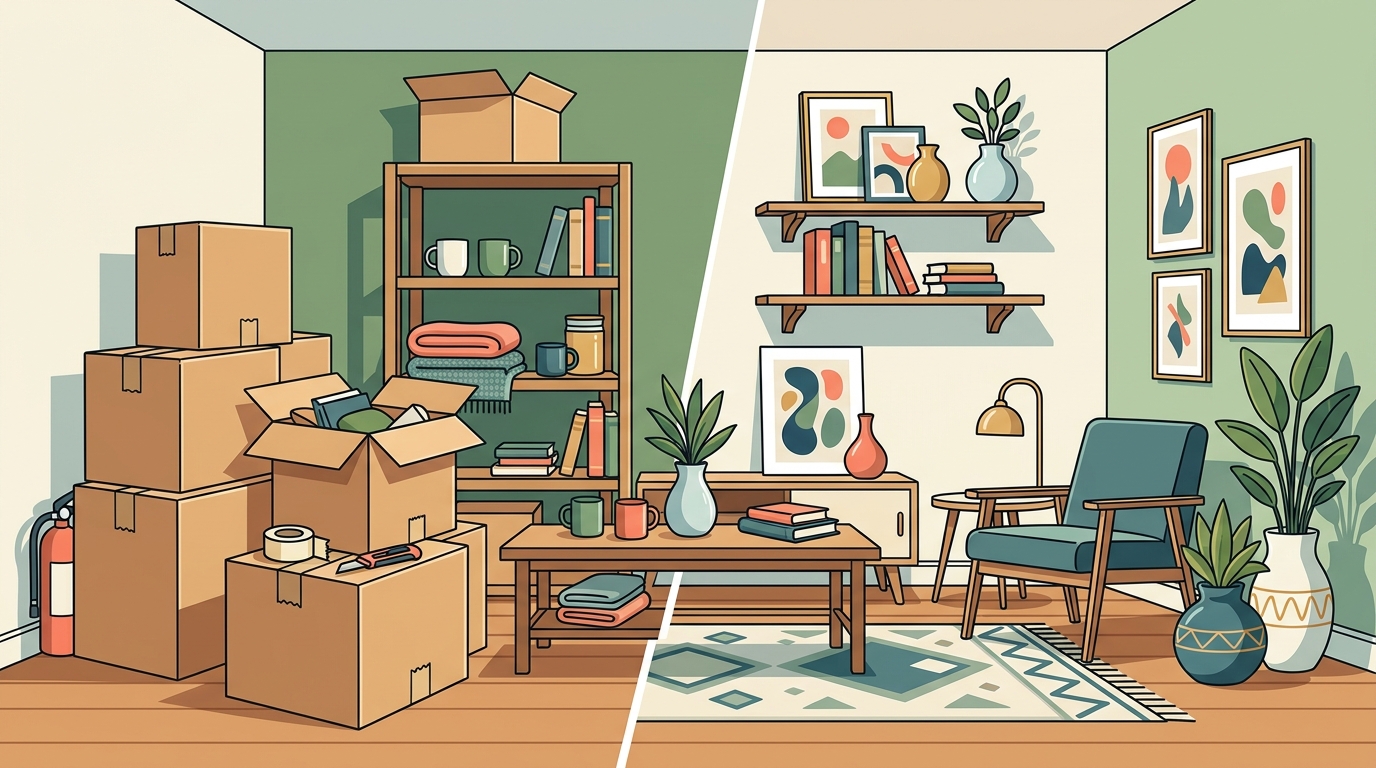
Optimizing for Daily Life
Effective redesign starts with understanding the family's needs. What do you want out of the room? Do you need extra counter space for cooking, or a dedicated area for homework? Identifying these needs helps in arranging furniture to support them. For example, placing a desk near a window can provide natural light for studying. This level of detail ensures that the space works for you, not just that it looks good.
Creating Aesthetic Harmony
Aesthetics play a crucial role in how a home feels. Redesigning allows you to curate a look that reflects your family's personality. This might involve selecting a color palette, arranging art, or choosing specific furniture pieces. The process involves separating items you love from those you can do without. By focusing on your favorites, you can build a cohesive design around them. This creates a sense of harmony and comfort in the new home.
Redesigning can be a creative and enjoyable process for families. It offers an opportunity to refresh the space and make it truly yours. Whether you are looking for a modern, minimalist look or a cozy, traditional feel, redesigning allows you to achieve it. This phase is best undertaken once the initial unpacking is complete and the home is functional.
Comparing the Two Approaches
Choosing between unpacking and redesigning depends on your specific situation. Some families may prioritize one over the other, while others may benefit from a combination of both. Understanding the differences can help you make an informed decision. The table below summarizes the key aspects of each approach.
| Feature | Unpacking Boxes | Redesigning Spaces |
|---|---|---|
| Primary Goal | Immediate functionality and safety | Long-term flow and aesthetics |
| Timeframe | Short-term (1-3 days) | Medium-term (1-2 weeks) |
| Focus Area | Placement of items | Arrangement of furniture and decor |
| Stress Level | High initially, decreases quickly | Moderate, requires decision-making |
| Best For | Families needing immediate livability | Families wanting to optimize space |
For many families, a hybrid approach is the most effective. Start with unpacking to ensure the home is safe and functional. Then, transition into redesigning to optimize the space for your lifestyle. This phased approach allows you to address immediate needs while also planning for long-term comfort. It provides a balanced solution that meets both practical and aesthetic goals.
Key Takeaways
- Unpacking prioritizes immediate safety and functionality, making the home livable quickly.
- Redesigning focuses on optimizing flow and aesthetics for long-term comfort.
- Professional unpacking services go beyond moving companies by organizing contents logically.
- Redesigning involves analyzing daily needs to arrange furniture effectively.
- A hybrid approach often provides the best balance of practicality and style.
- Time management is crucial; unpacking is faster, while redesigning requires more planning.
- Both approaches contribute to a smoother transition and a more enjoyable new home.
Frequently Asked Questions
What is the main difference between unpacking and redesigning?
Unpacking is about placing items in their correct locations for immediate use. Redesigning is about arranging furniture and decor to optimize the room's flow and appearance.
How long does professional unpacking take?
Professional unpacking can generally be completed in one day, depending on the size of the home and the scope of the move.
Can I do both unpacking and redesigning at the same time?
It is usually better to complete unpacking first to ensure safety and functionality. Then, you can focus on redesigning to optimize the space.
Do I need to be present during professional unpacking?
Some clients prefer to be involved, while others leave for the day. The team leader will check in to ensure everything is done correctly.
What should I consider when redesigning a room?
Consider your daily needs, the room's layout, and your design style. Focus on creating a space that is both functional and aesthetically pleasing.
How can I make the most of my new space?
By combining efficient unpacking with thoughtful redesigning, you can create a home that is both practical and beautiful.
Conclusion
Deciding between unpacking boxes and redesigning spaces is a personal choice that depends on your family's priorities. Unpacking ensures immediate safety and functionality, while redesigning optimizes the space for long-term comfort and style. A phased approach that combines both methods often yields the best results. By addressing immediate needs first and then focusing on aesthetics, you can create a home that truly works for you. For families in the San Mateo area seeking expert assistance, GGG Organizing offers comprehensive services to help you navigate this transition with ease and confidence. Learn more: Services.