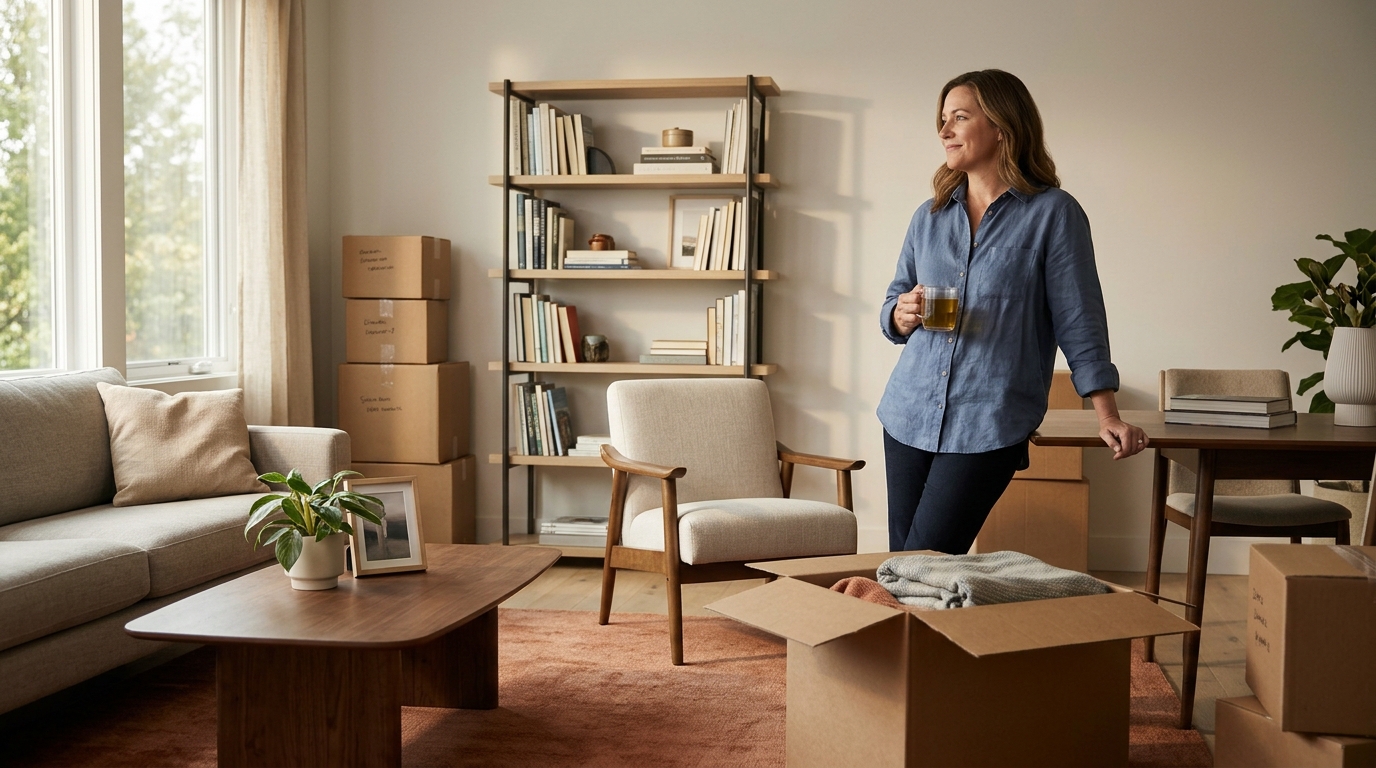
Unpacking everything at once is rarely the most effective strategy for most households. A phased approach, where you tackle essential rooms first and defer larger projects, reduces stress and ensures immediate functionality. This method allows you to prioritize daily needs while managing the physical and mental load of relocation. GGG Organizing recommends this structured timeline to help clients settle in efficiently without feeling overwhelmed by the sheer volume of boxes. For additional details, review the Going Going Gone The.
The 48-Hour Essential Zone
Why Staged Unpacking Reduces Stress
Staged unpacking is a methodical process that breaks a large task into manageable daily goals. This approach leverages the psychological principle of small wins to maintain momentum. When you see progress in one room, you feel motivated to tackle the next. Conversely, trying to do everything at once often results in a sense of failure if you do not finish by the weekend. For additional details, review the Moving.
Consider the cognitive load of a move. You are making hundreds of decisions about where items go. Spreading these decisions over several weeks allows your brain to process the new space. It also gives you time to realize what you actually use and what you do not. This natural filtering process is more effective when you are not rushing to clear the floor. For additional details, review the Seniors.
Prioritizing High-Traffic Areas
After the essential zone is set, focus on high-traffic areas like the living room and entryway. These spaces define the first impression of your home and are used daily. Unpacking these rooms allows you to establish a sense of normalcy for family members and guests. You can arrange furniture to create clear pathways and comfortable seating areas.
Do not worry about perfecting the decor during this phase. The goal is functionality and flow. If you have children, prioritize their rooms next. Kids need their spaces to feel secure and organized quickly. This helps them adjust to the new environment with less anxiety. By addressing the needs of the whole household in a logical order, you create a harmonious living space.
The Role of Professional Support
For many families, the sheer volume of belongings makes staged unpacking difficult to execute alone. Professional organizers can help you implement this strategy effectively. GGG Organizing provides unpacking and setup services that align with this phased approach. Our team can handle the heavy lifting and strategic placement of items. This allows you to focus on the decisions that matter most to your lifestyle.
We can also help you identify items that do not belong in your new space. During the unpacking process, it is common to realize that certain pieces of furniture or decor no longer fit your life. A professional can help you make these decisions objectively. They can also assist with donations or disposal, ensuring your home remains clutter-free as you settle in.
Managing the Long Tail of Boxes
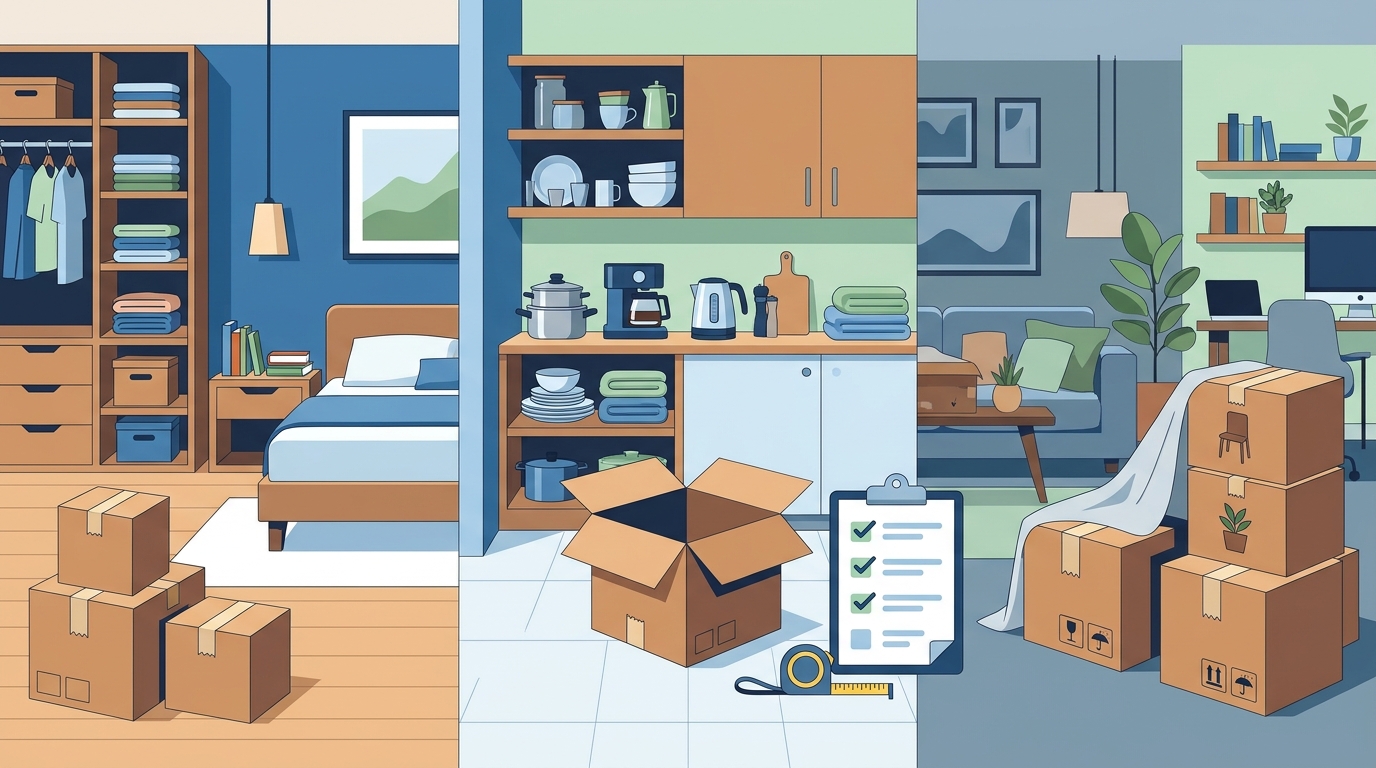
The final phase involves tackling the remaining boxes, which often contain seasonal items, archives, and miscellaneous goods. This is the most challenging part of the process because these items lack a clear immediate purpose. You should set a specific timeline for this phase, perhaps two to four weeks after the move. This prevents the boxes from becoming permanent fixtures in your home.
Use this time to evaluate each item with a critical eye. Ask yourself if you have used it in the last year. If not, consider letting it go. This final purge ensures that your new home is truly yours and not a repository of your past. It completes the transition from moving to living.
Key Takeaways
- Focus on the bedroom, bathroom, and kitchen first to establish a functional essential zone.
- Staged unpacking reduces cognitive load and prevents post-move burnout.
- Prioritize high-traffic areas like the living room after the essential zone is complete.
- Address children's rooms early to help them adjust to the new environment.
- Professional organizers can help implement a phased strategy and manage clutter.
- Set a specific deadline for unpacking the final boxes to avoid permanent clutter.
- Use the unpacking process to evaluate and purge items that no longer serve your needs.
Frequently Asked Questions
How long should I wait to unpack the rest of my house?
It is generally recommended to wait at least one to two weeks before tackling non-essential rooms. This allows you to settle into the rhythm of your new home and identify what you actually need. Rushing this process often leads to poor storage decisions.
Is it better to unpack by room or by category?
Unpacking by room is usually more effective for residential moves. It allows you to create a functional space in each area. Unpacking by category, such as all books or all kitchen items, can be confusing and inefficient for most households.
What should I do with boxes I cannot unpack immediately?
Label them clearly and store them in a designated area, such as a garage or basement. Set a specific date to revisit these boxes. If you do not open them by that date, consider donating or selling the contents.
Can professional organizers help with staged unpacking?
Yes, professional organizers can help you implement a phased unpacking strategy. They can assist with sorting, placing items, and creating storage systems. This is particularly helpful for large households or complex moves.
How do I stay motivated to unpack over several weeks?
Set small, achievable goals for each day. Celebrate your progress as you complete each room. Involve family members in the process to share the workload. Keeping a visible list of remaining tasks can also help maintain momentum. Learn more: Going Going Gone The.